
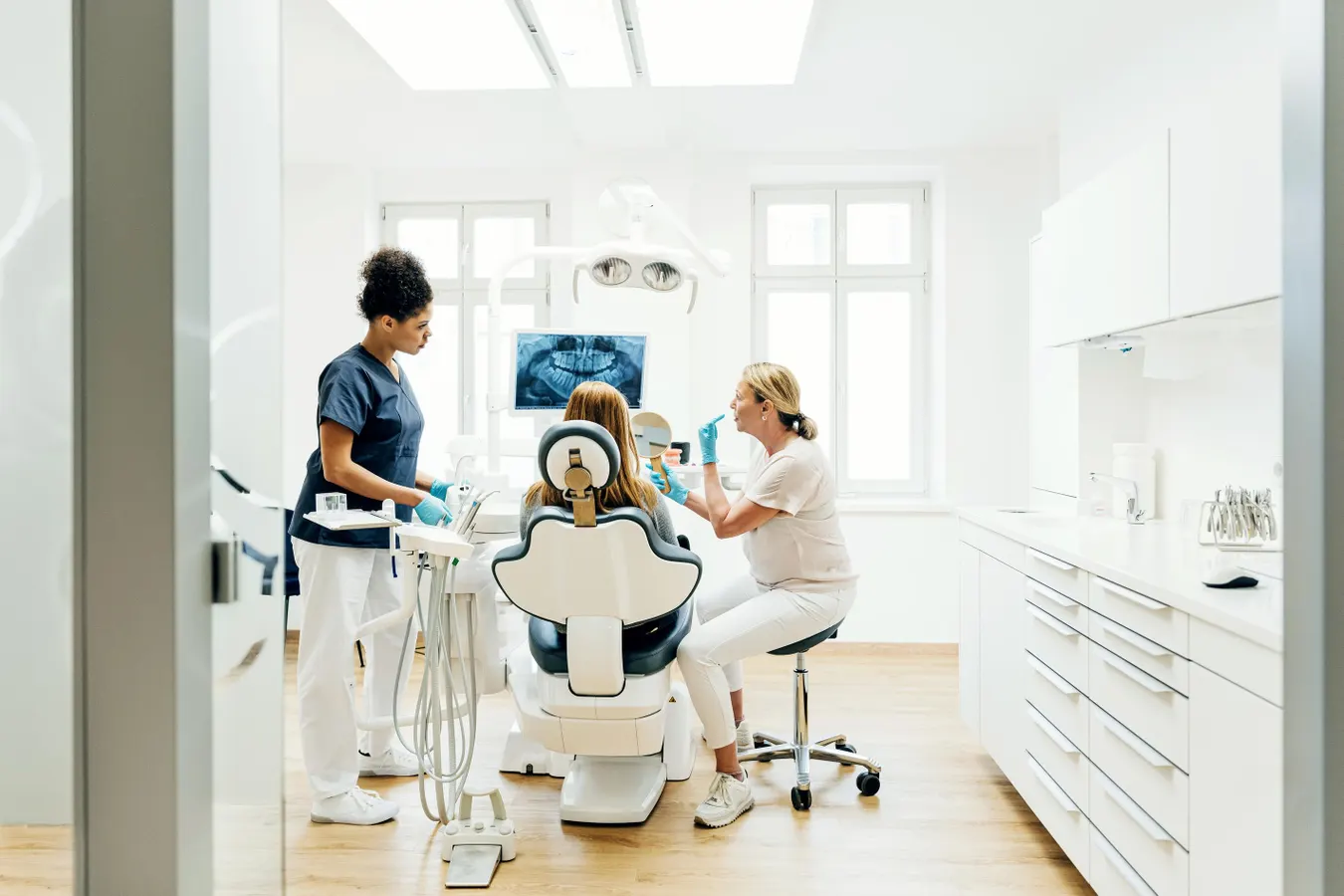
How Your Vocal Habits and Speaking Volume Throughout Life Gradually Reshape Jaw Mechanics and Dental Wear
The Hidden Connection Between Voice and Dental Health
The human voice is a remarkable instrument, yet few people consider the profound impact their speaking habits have on their dental structures. Every word uttered, every raised voice in conversation, and every whispered secret involves intricate movements of the jaw, tongue, and surrounding musculature. Over years and decades, these seemingly innocuous vocal patterns can fundamentally alter the mechanics of the temporomandibular joint and create distinctive patterns of tooth wear that the dentist Borehamwood can readily identify.
Research into the relationship between vocal production and oral anatomy reveals fascinating insights into how our communication styles literally reshape our mouths. Professional voice users, such as teachers, singers, and public speakers, often develop unique dental and jaw characteristics that differ markedly from those who speak sparingly throughout their lives. Understanding this connection offers valuable perspectives on maintaining optimal oral health across the lifespan.
The Biomechanics of Speech Production
Speech production requires extraordinary coordination between multiple anatomical structures. The temporomandibular joint, which connects the jawbone to the skull, performs thousands of micro-movements daily during conversation. These movements extend far beyond the obvious opening and closing of the mouth, encompassing subtle lateral shifts, forward protrusions, and countless positional adjustments that facilitate clear articulation.
When individuals habitually speak at elevated volumes, the jaw adopts a more aggressive range of motion. This increased mechanical stress affects not only the joint itself but also the muscles of mastication, which must work harder to maintain stability during forceful speech. Over time, this can lead to compensatory changes in jaw positioning and altered bite patterns. A dentist Borehamwood residents visit may identify these changes during routine examinations, noting asymmetrical wear patterns or shifts in occlusion that correlate with vocal habits.
Vocal Tension and Its Dental Consequences
Many individuals develop chronic tension in their throat, jaw, and neck muscles during speech, often without conscious awareness. This phenomenon, explored extensively in literature on throat and jaw muscle tension during vocal production, demonstrates how improper vocal technique creates sustained muscular engagement that persists even during silent periods.
This persistent tension gradually influences resting jaw position and can contribute to bruxism, the involuntary grinding or clenching of teeth. The sustained muscular activation creates a feedback loop whereby tense vocal habits reinforce problematic jaw positioning, which in turn affects both speech quality and dental integrity. The condition known as muscle tension dysphonia exemplifies how vocal strain manifests in physical changes to the oral and perioral structures.
Age-Related Changes in Vocal Production and Dental Structure
As individuals age, natural changes in vocal cord elasticity often prompt unconscious compensations in jaw and throat positioning. Older speakers frequently adopt altered articulation patterns to maintain vocal clarity, which can accelerate dental wear in unexpected locations. The enamel on posterior teeth may show distinctive erosion patterns linked to these adapted speech mechanics, whilst anterior teeth might display edge wear from increased tongue pressure during consonant production.
Additionally, age-related bone density changes in the mandible interact with long-established vocal habits to create unique structural adaptations. The alveolar ridge, which houses tooth roots, can remodel in response to decades of specific muscular forces applied during habitual speech patterns. These changes become particularly pronounced in individuals who have maintained consistent vocal professions throughout their working lives.
Professional Voice Users and Dental Considerations
Certain occupations demand sustained vocal output at elevated volumes or with particular articulatory precision. Teachers, barristers, performers, and customer service professionals all develop occupation-specific patterns of dental wear. Studies examining the relationship between occupational voice use and orofacial health reveal measurable differences in jaw mechanics and tooth surface characteristics between professional voice users and the general population.
These individuals may benefit from targeted interventions that address both vocal technique and dental protection. Awareness of proper breath support, relaxed jaw positioning during speech, and adequate hydration can mitigate some of the long-term structural changes associated with demanding vocal use.
Protecting Your Dental Health Through Mindful Speaking
Understanding the connection between vocal habits and dental health empowers individuals to make conscious choices about their speaking patterns. Simple adjustments, such as maintaining proper posture during conversation, avoiding unnecessary vocal strain, and addressing chronic jaw tension, can preserve both vocal quality and dental integrity. Regular dental examinations remain essential for identifying early signs of habit-related wear patterns, allowing for timely intervention before significant structural changes occur. By recognising that our voices and our teeth share an intimate biomechanical relationship, we can approach oral health with a more comprehensive and informed perspective.